



Michigan Viewers
Explore Michigan nature in close-up
Michigan is defined by four Great Lakes, extensive freshwater shoreline, dunes, inland lakes, wetlands, southern hardwoods, and northern conifer forest. The two peninsulas and strong lake effects produce meaningful differences in weather, migration, flowering, and forest activity.
From Detroit, Grand Rapids, Marquette, and communities across both peninsulas, viewers can use this guide to compare local habitats, seasons, and field marks with original WhatsTheZoom videos. A useful identification starts with where and when an observation was made—not simply what color it appeared on camera.
Habitats and wildlife clues to watch
- Observe dune and beach life without climbing closed or eroding slopes.
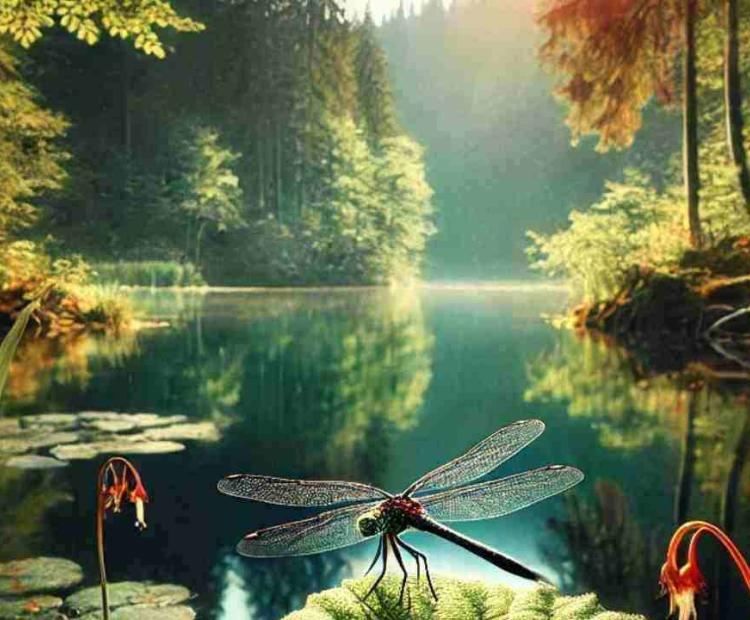
- Watch inland wetlands and lake margins for dragonflies and aquatic insects.
- Compare southern hardwood forest with Upper Peninsula boreal communities.
- Look for fungi, mosses, and forest-floor detail after cool rain.
When to look closely in Michigan
Spring reaches southern Michigan before the Upper Peninsula and is shaped by cold lake water. Summer concentrates insects and flowers, autumn brings migration, fungi, and foliage, and winter turns attention to tracks, ice formations, conifers, and open water.
Start with these close-up nature videos
Watch a clip, pause on the clearest field marks, and compare the subject with the habitat guidance above:
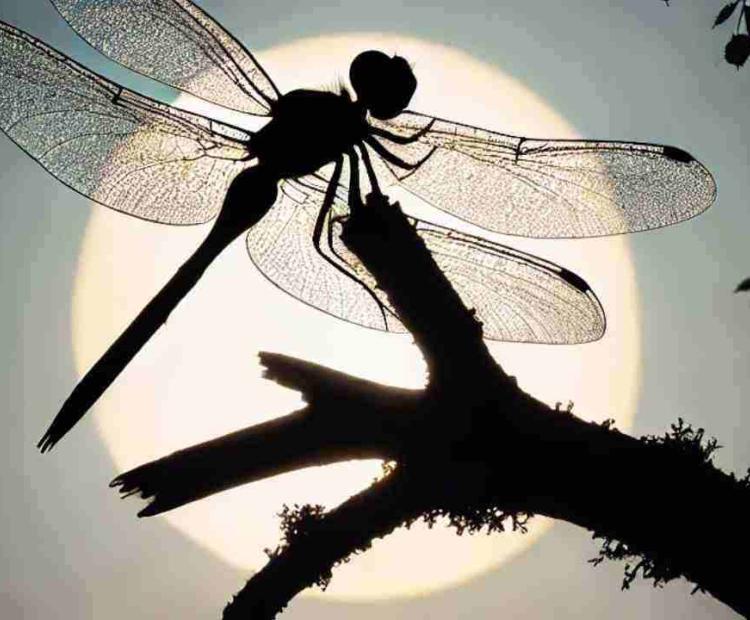
- North Carolina Pond Dragonfly Identification
- Wild Mushroom Identification Clues on Video
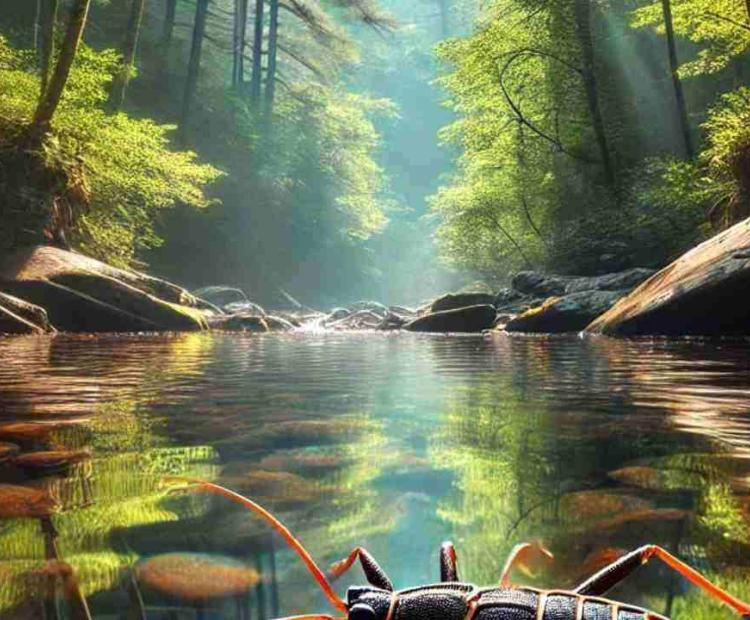
- How Water Striders Walk on Water Near a Falls
For a stronger identification, record the date, broad location, habitat, approximate size, behavior, and several viewing angles. Avoid handling unknown fungi, plants, insects, or wildlife, and follow current local access and safety guidance.
Location transparency: WhatsTheZoom creates and owns the videos shown across this network, but not every featured clip was recorded in Michigan. This regional page explains what viewers in Michigan can look for and how geographic context changes an identification; it does not relabel footage from another location.
Subscribe to WhatsTheZoom on YouTube for new close-up nature videos.
Featured Posts
Our Mission
WhatsTheZoom helps Michigan viewers look more closely at wildlife, plants, fungi, water, and landscapes. Our original videos encourage careful observation, responsible exploration, and evidence-based identification without claiming that every clip was filmed locally.